Turnkey Projects in Construction: A Comprehensive Guide

Turnkey Projects in Construction: Everything You Need to Know
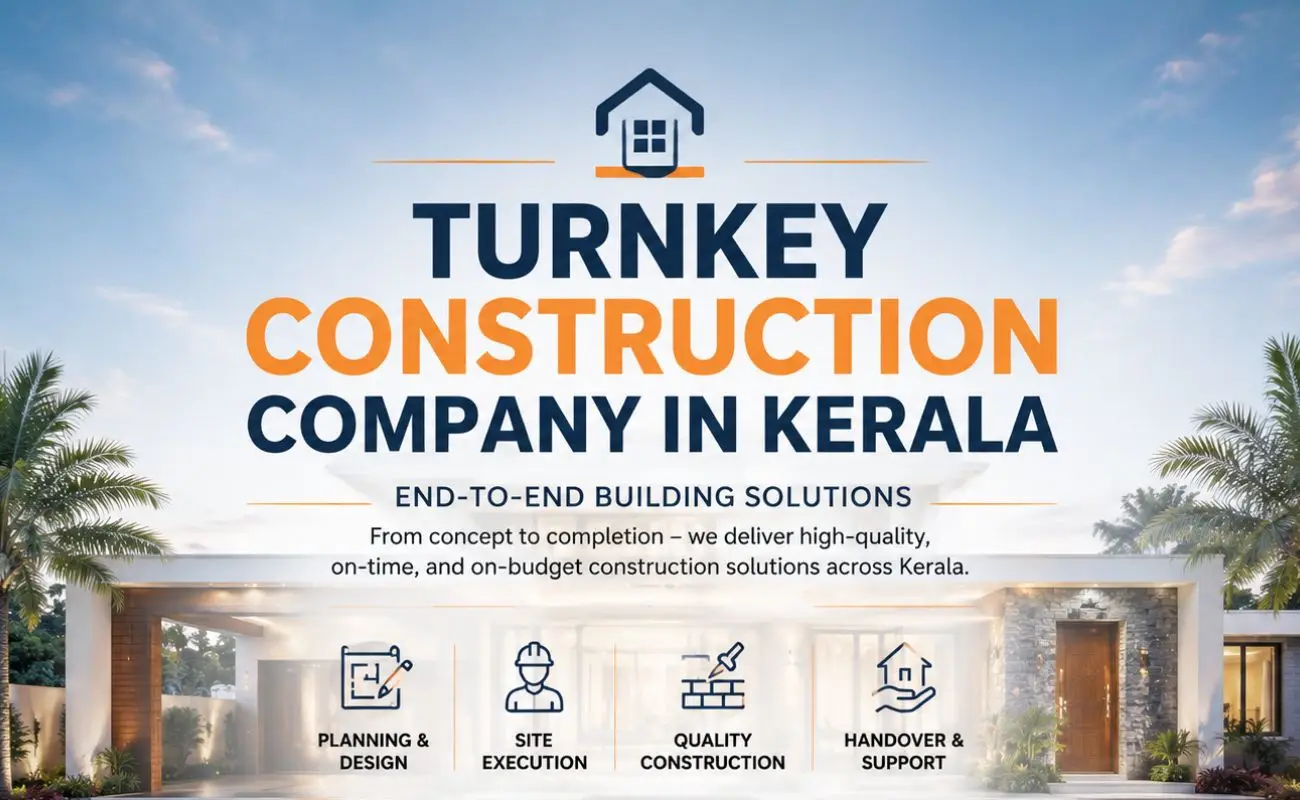
Construction projects involve multiple stages, technical coordination, financial planning, and strict timelines. Managing all these elements separately can become complex for property owners. This is where turnkey projects offer a structured alternative. A turnkey approach places the responsibility of design, planning, execution, and final delivery under one contractor.
Webuild LLP, an established Construction Company in Kerala, undertakes turnkey construction projects for residential and commercial developments. With experience in handling site planning, approvals, structural work, finishing, and handover, the company manages projects through a clearly defined execution process. Understanding how turnkey construction works helps property owners make informed decisions before starting a project.
What Is a Turnkey Project?
A turnkey project is a construction arrangement where a single contractor handles the entire project and delivers a completed facility ready for use. The client enters into one agreement covering design, procurement, construction, and final finishing.
Once the project is completed, the owner can “turn the key” and begin occupying or operating the building. The responsibility for coordination, vendor management, and execution lies primarily with the contractor rather than the client, managing multiple parties separately.
How Turnkey Construction Projects Work
Turnkey construction follows a structured workflow:
- Requirement Analysis: The client’s needs, budget, and site conditions are evaluated.
- Design Development: Architectural drawings, structural plans, and service layouts are prepared.
- Cost Estimation & Contract Agreement: A consolidated project cost is finalised.
- Procurement & Construction: Materials, labour, and subcontractors are coordinated under one management system.
- Quality Checks & Handover: The completed building is inspected and delivered.
The contractor manages scheduling, site supervision, vendor coordination, and compliance approvals. This reduces direct involvement from the client in daily operations.
History and Evolution of Turnkey Construction
Turnkey construction gained popularity in industrial and infrastructure projects during the mid-20th century. Large-scale factories and power plants required centralised execution to reduce coordination delays.
Over time, the model expanded to residential apartments, villas, commercial complexes, and institutional buildings. In Kerala, turnkey delivery has become more common due to increasing project complexity and tighter completion timelines.
Roles and Responsibilities in Turnkey Projects
A clear role definition is essential in turnkey contracts.
- Client: Defines requirements, budget, and approves designs.
- Turnkey Contractor: Oversees design coordination, procurement, site execution, and quality control.
- Architects & Engineers: Work under the contractor’s coordination.
- Subcontractors & Vendors: Execute specific tasks such as plumbing, electrical, or finishing work.
Since the contractor assumes overall responsibility, accountability remains centralised. This structure reduces confusion in case of delays or technical issues.
Advantages of Turnkey Projects in Construction
Single-Point Responsibility
The client communicates with one contractor rather than multiple agencies.
Cost Clarity
A consolidated agreement provides clarity on project cost at the beginning. Unexpected variations are minimised when the scope is clearly defined.
Time Management
Scheduling is coordinated internally, reducing delays caused by separate contractors waiting on each other.
Better Coordination
Design and execution teams work in alignment, minimising drawing conflicts and rework.
For clients seeking simplified execution, many prefer working with a Construction Company in Kerala that offers turnkey project handling under one contract.
Disadvantages and Challenges of Turnkey Construction
Despite its advantages, turnkey construction has certain challenges:
- Limited design flexibility after contract signing
- Risk of inadequate specification clarity if initial planning is incomplete
- Higher dependency on contractor performance
- Variation claims if the project scope changes mid-way
Proper documentation and technical review during early planning stages help reduce these risks.
Turnkey Projects vs Traditional Construction Methods
In traditional construction, the client appoints separate consultants and contractors. Architects, structural engineers, interior designers, and contractors operate under individual agreements. The client or a project management consultant coordinates among them.
In turnkey projects, coordination shifts to the contractor. This reduces administrative burden on the owner. However, it requires selecting a contractor with proven technical and financial capacity.
Traditional methods may suit projects requiring phased decision-making. Turnkey delivery is often preferred for fixed-budget developments with defined timelines.
Technology in Turnkey Construction Projects
Modern turnkey projects rely heavily on digital tools and project management systems.
- Building Information Modelling (BIM) for design coordination
- Project scheduling software for timeline tracking
- Cost monitoring tools for budget control
- Digital documentation systems for compliance management
Use of technology reduces drawing conflicts and improves communication between design and site teams. It also improves transparency in progress reporting.
Types of Construction Projects Suitable for Turnkey Delivery
Turnkey construction is suitable for various project types:
- Residential villas
- Apartment buildings
- Commercial office spaces
- Retail outlets
- Educational institutions
- Healthcare facilities
Projects with clearly defined scope and budget benefit most from turnkey execution. In Kerala’s urban areas, residential villa projects commonly adopt this model to maintain cost control.
Cost Structure of Turnkey Construction Projects
The cost structure typically includes:
- Design and consultancy fees
- Material procurement
- Labor costs
- Equipment usage
- Project management expenses
- Contingency allocation
Turnkey contracts are often structured as lump-sum agreements. In some cases, cost-plus arrangements are adopted depending on project size and complexity. Transparent cost breakdown at the initial stage prevents disputes during execution.
Legal and Contractual Aspects of Turnkey Projects
A well-drafted contract forms the foundation of turnkey construction. Important clauses include:
- Scope of work definition
- Payment schedule linked to milestones
- Time of completion
- Penalty for delays
- Variation procedure
- Warranty period
Legal documentation must clearly define technical specifications and material standards. Proper review by legal and engineering professionals protects both parties from disputes.
How to Choose the Right Turnkey Contractor
Selecting a capable contractor determines project success. Key evaluation points include:
- Experience in similar projects
- Technical team strength
- Financial stability
- Transparency in cost estimates
- Past project references
- Site supervision practices
Meeting the contractor’s engineering team and reviewing completed projects provides practical insight into their execution standards. A reliable Construction Company in Kerala should demonstrate consistent project delivery and clear documentation practices.
Common Mistakes to Avoid in Turnkey Construction Projects
Several issues arise due to insufficient early planning:
- Incomplete project brief
- Vague material specifications
- Ignoring soil testing reports
- Changing scope frequently after contract signing
- Delayed payment approvals
Clear documentation and structured communication help prevent cost escalation and schedule disruptions.
Future Trends in Turnkey Construction Projects
Turnkey construction continues to evolve with advancements in materials and digital tools. Prefabrication, modular components, and improved project scheduling systems are becoming more common.
Sustainable building practices are also gaining importance. Energy-efficient materials, rainwater harvesting systems, and solar integration are increasingly included in turnkey contracts.
As urban development in Kerala increases, demand for structured project delivery is expected to grow.
Final Words
Turnkey projects offer a centralised and structured method of executing construction works. With a single agreement covering planning, execution, and final delivery, project management becomes more streamlined for property owners. Proper documentation, technical clarity, and contractor selection remain critical factors for success.
Webuild LLP operates as a professional Construction Company in Kerala, managing turnkey projects across residential and commercial sectors. Through detailed planning, coordinated execution, and systematic supervision, projects are delivered with defined timelines and cost control. For property owners seeking organised construction management, turnkey delivery provides a practical and accountable solution.
Recent Posts
October 08, 2026

October 02, 2026
Exploring The Best House Construction Packages in Kerala

September 29, 2026
10 Trusted Real Estate Agencies in Trivandrum for Property Buyers

September 21, 2026
Get In Touch